Guide
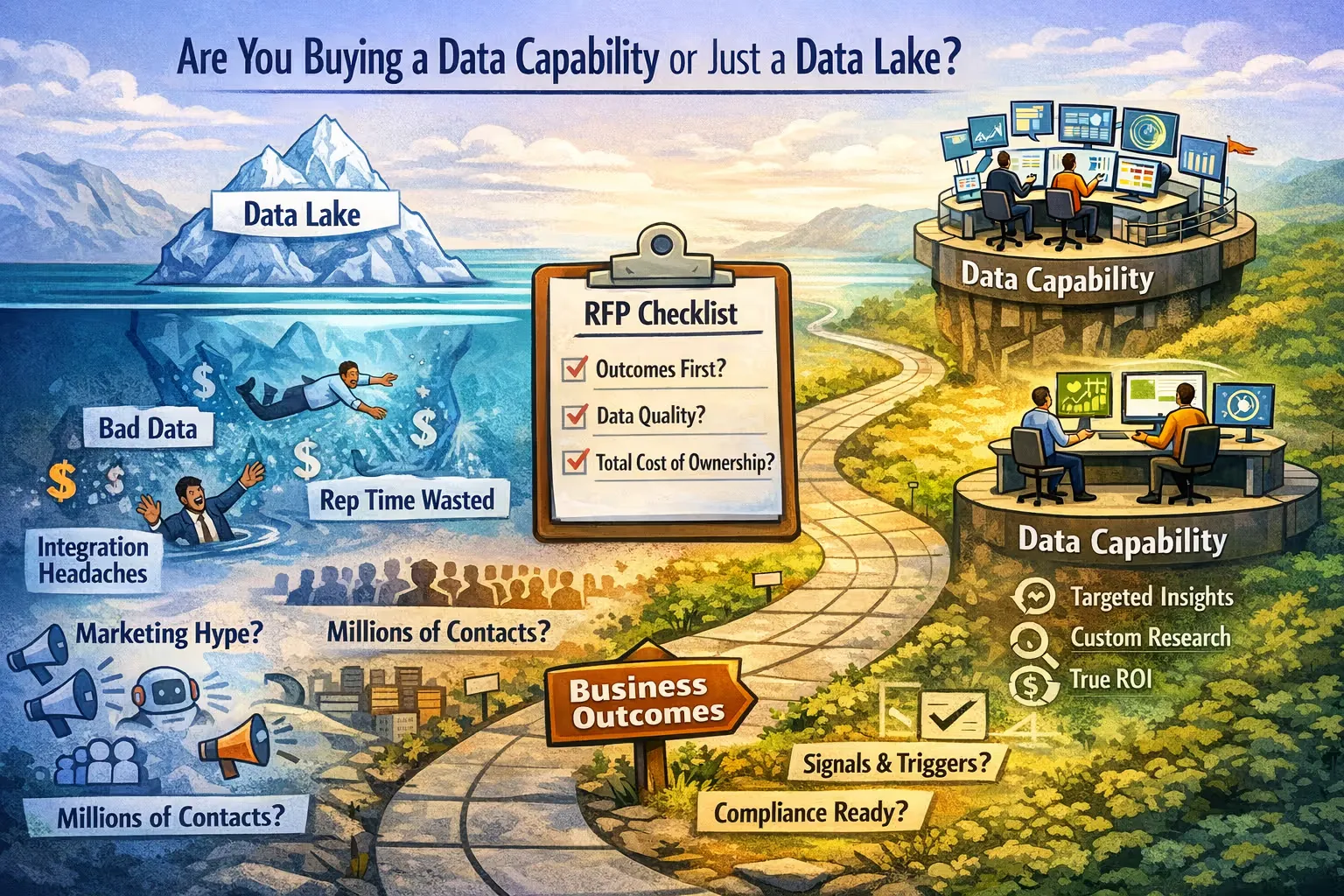
How to Build an RFP for Data Intelligence Solutions That Actually Works
A practical guide for revenue leaders, RevOps, and procurement teams
Leveraging data signals like new hires, funding events, and product launches allows sales teams to tailor their approach for selling sophisticated solutions, ensuring their outreach is timely, relevant, and aligned with prospects' immediate needs.
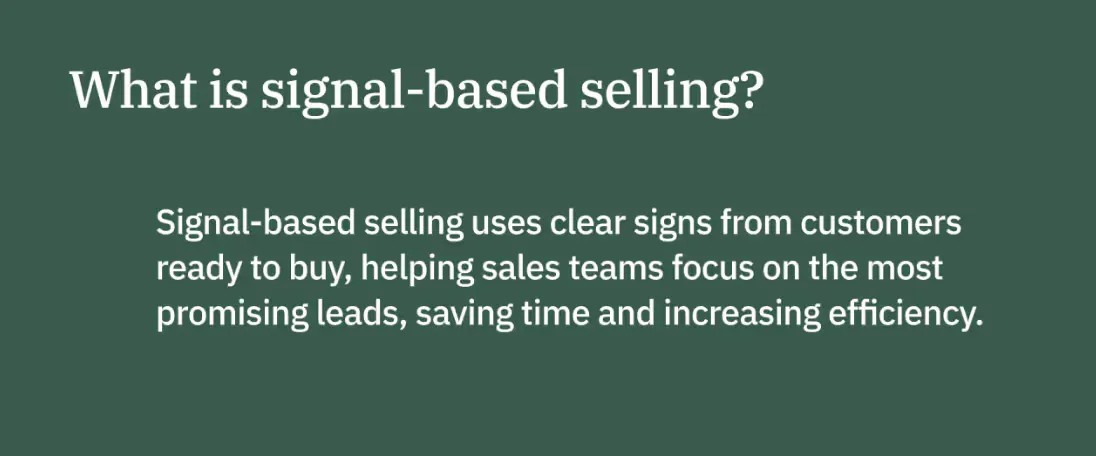
Selling sophisticated solutions is no easy feat. Whether it’s enterprise software, AI-driven platforms, or other high-ticket items, the complexity of these offerings means that selling requires more than just basic outreach. You’re asking decision-makers to make big investments, adapt their workflows, and often shift their strategies. This is where leveraging signals—real-time data insights from the market, industry, and target accounts—can drastically improve the effectiveness of your sales process.
By using these signals, you can:
Let’s dive into how you can use these signals in selling sophisticated solutions, and we’ll explore real-world examples of how this approach works.
One of the most powerful signals you can leverage in a sales cycle is when a company undergoes significant leadership changes or hiring sprees. New executive hires—especially in roles like Chief Revenue Officer (CRO), Chief Information Officer (CIO), or VP of Operations—often indicate shifts in strategic focus. New leaders typically bring in new initiatives and may be open to rethinking existing vendor relationships.
Example: Let’s say you’re selling a data integration platform. You spot that a company you’ve been targeting has recently hired a new CIO. This signal should trigger immediate action on your part. Your outreach could look something like this:
This message speaks directly to their current challenges (getting a handle on IT systems in a new role) and offers a clear benefit relevant to their immediate needs.
When companies receive new funding or are expanding into new locations, they often enter high-growth phases where they are looking to scale their operations. These companies are ripe for sophisticated solutions because they’re preparing to handle larger workloads, expand teams, and improve infrastructure to keep up with growth.
Example: Suppose you’re selling an AI-powered HR software solution. You notice that a mid-market company has just completed a $50 million Series B funding round, and they are opening a new office in another region. This is a perfect signal to approach them because they are likely going to hire aggressively and will need HR software to streamline recruitment and employee management.
Here, you’re not just congratulating them—you’re showing an understanding of the challenges they will soon face (scaling their hiring) and positioning your solution as essential for their upcoming needs.
Another powerful signal is tracking a prospect’s technology stack and identifying gaps or opportunities for integration. Companies adopting certain technologies may need complementary solutions to maximize their new investment. Similarly, if you notice a company is still using legacy systems, that’s an opportunity to sell your product as a way to modernize their operations.
Example: Let’s say you sell a customer experience platform that integrates well with Salesforce. You identify a prospect company that has just adopted Salesforce but hasn’t yet implemented a customer support solution that ties into their new CRM. This is a prime opportunity to reach out and explain how your solution can enhance the tools they’ve already invested in.
By aligning your solution with the technology they’ve already adopted, you show immediate value and reduce the perceived risk of switching or adding new software.
Companies launching new products or entering new markets are often looking for ways to optimize their operations. These initiatives usually bring complexity, and this is where your sophisticated solution can shine—by simplifying or automating the processes they are grappling with as they scale.
Example: You sell supply chain optimization software. You notice that one of your target companies has recently launched a new product line and is expanding into international markets. Their supply chain is about to become much more complex, and they’ll need a solution like yours to handle the increased demand.
This message directly speaks to their current initiative (launching a product globally) and ties your solution to solving the challenges they are about to face.
While most sales reps focus on positive signals, negative signals can be just as valuable. If a company is facing a public relations crisis, regulatory issue, or product failure, they are often looking for solutions to address these problems. If you can position your product as part of their recovery strategy, it creates a strong case for urgency.
Example: Let’s say you sell cybersecurity solutions. A company in your target list recently suffered a data breach, which has been covered in the news. This is an opportune moment to reach out with empathy and a solution that can prevent future incidents.
By acknowledging their current pain point and offering a relevant solution, you increase your chances of engaging them at a time when they need your help most.
Selling sophisticated solutions requires more than just a generic pitch. By leveraging signals such as new hires, funding events, product launches, and even negative news, you can tailor your approach to your prospects’ current needs and challenges. This not only boosts your credibility but also improves your chances of closing deals faster.
At LeadGenius, we specialize in providing the data signals and insights that allow you to uncover these opportunities. Whether you’re selling complex software, enterprise solutions, or any other sophisticated offering, the right signals can make all the difference.
Stay ahead of the curve by using actionable data insights to drive every part of your sales process.
Guide
A practical guide for revenue leaders, RevOps, and procurement teams
Guide
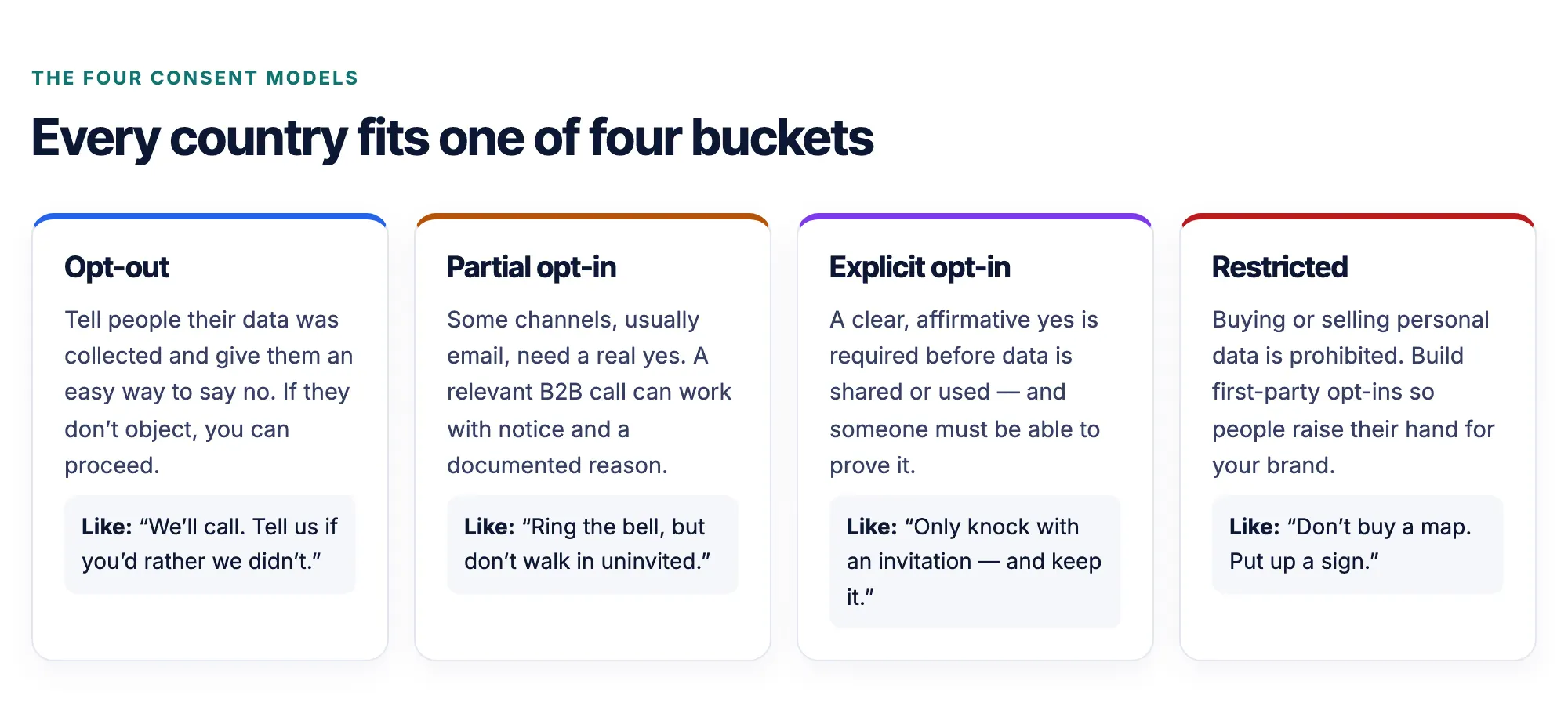
Country-by-country rules for compliant B2B outreach in 21 countries: consent models, Do-Not-Contact registries, vendor obligations and LeadGenius consent services.
Article
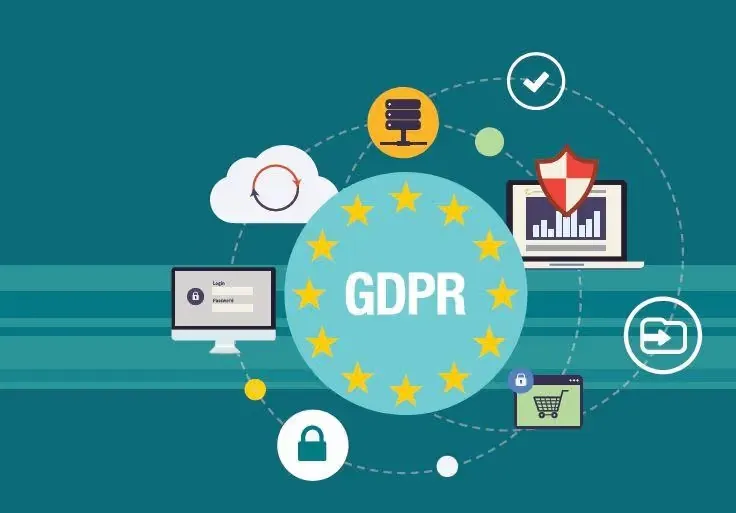
Exploring how LeadGenius takes a giant leap in data privacy with GDPR compliant storage solutions. Empower your business with GDPR-compliant Storage Solutions!

Get precise, compliant, and on‑demand contact data—tailored to your business needs.