
Article
The Problem With Scale: Inbound vs. Outbound Marketing
Exploring the problem with scale: inbound vs. outbound marketing. B2B growth demands a balanced strategy, integrating inbound & outbound tactics for scalability
Supercharge B2B Marketing 9 Use Cases Inbound Lead Enrichment, B2B SaaS invests $50B in marketing tech 87% of databases underutilized, data gaps for optimal ROI
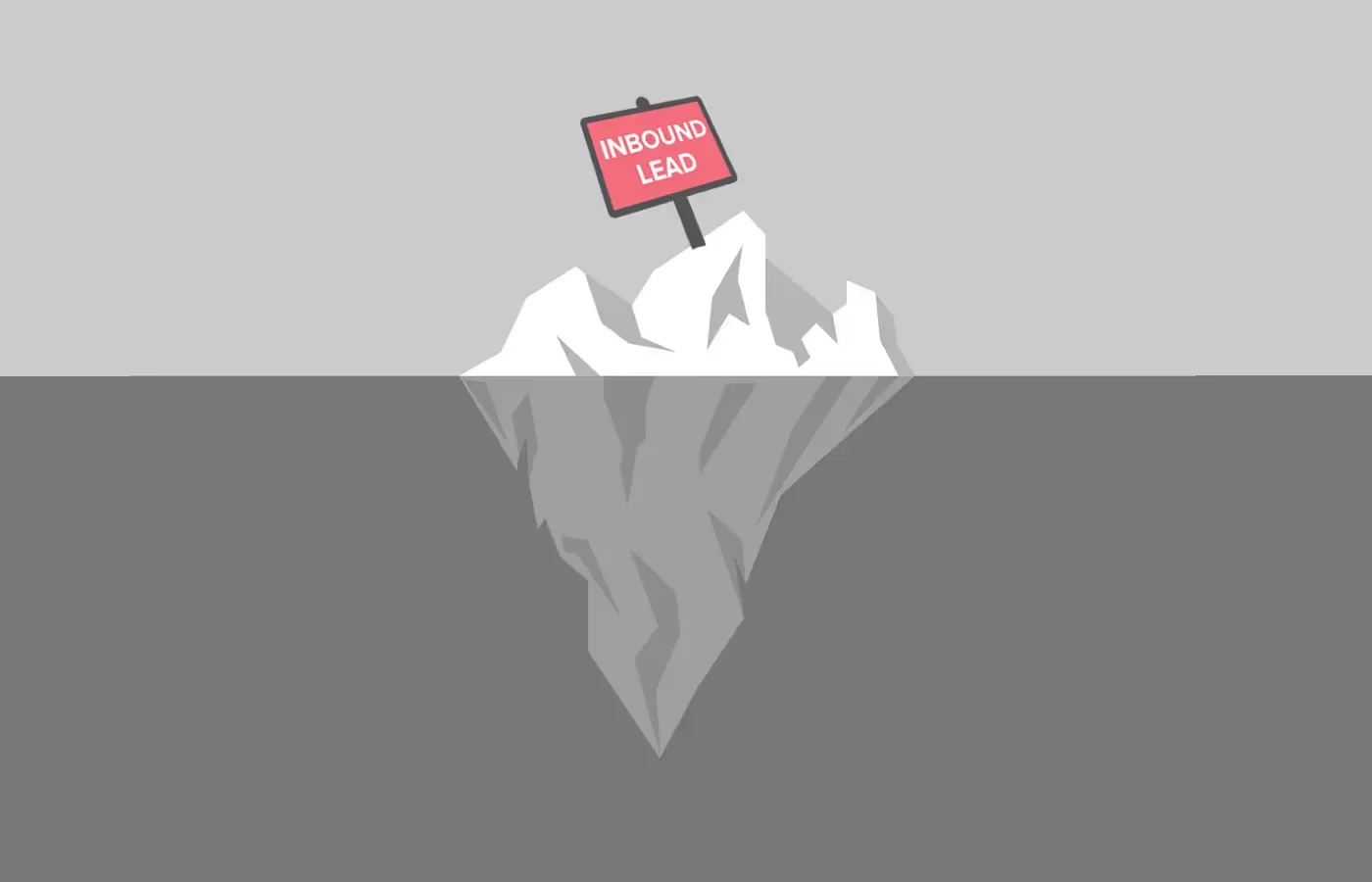
The landscape of marketing technology has undergone significant transformation in 2023, with B2B SaaS companies investing a staggering $50 billion in marketing technologies, according to Salesforce.com1. Even as marketing automation tools such as HubSpot, Eloqua, Pardot, and others advance, a Google study indicates that 87% of marketing databases remain underutilized, with vital data elements like industry specifics, revenue figures, and employee counts missing in 91% of the records2. This dearth of data cripples the full functionality of high-cost marketing automation tools, drastically inhibiting their Return on Investment (ROI).
The answer to extract maximum value from these software systems lies in the approach of inbound lead enrichment. But how do we define lead enrichment, and what is its utility in the contemporary B2B landscape?
Lead enrichment, as a concept, is the systematic process of enhancing customer data to elevate its value and utility for marketing and sales operations3. Much like lead generation, it’s a continuous process aimed at enriching data stored within CRM or marketing automation databases, which can be performed synchronously with lead generation or carried out in retrospect.
Certain elements of lead enrichment, such as deduplication and validation, can be effectively automated through tech solutions such as LeadGenius. However, a significant part of enrichment actions require human intervention and expertise. With this context in mind, let’s explore nine powerful use cases for inbound lead enrichment in a B2B environment, aimed at supercharging your marketing and sales operations.
Reducing the number of fields on your online forms has been statistically shown to increase conversion rates. For instance, an A/B test might demonstrate that a form with five fields significantly outperforms a form with ten fields, catapulting the landing page conversion rate from an average of 9% to an impressive 17%5. The challenge lies in striking a delicate balance between optimizing conversion rates and the necessity to acquire additional data for sales operations to function optimally. You certainly can immediately reduce the amount of fields on your current forms to instantly boost your conversion rates. This said you also need to have those extra qualifying data points enriched back in to maintain the inbound lead quality. You still only will ever want to pass qualified ICP leads to your sales team. So how do you enrich for these extra crucial data points if you are reducing the amount of qualifying fields on your forms? You need to work with a reputable B2B data enrichment service provider. LeadGenius has got you covered on providing you with this extra granular data to further enrich your inbound leads. We’ll even give you a FREE data sample to test for yourself before you ever lay out any money. A true “try before you buy.”
The solution to this quandary resides in leveraging data enrichment strategies such as using a reputable data enrichment solutions provider as mentioned above. This allows marketers to simplify their forms without sacrificing the acquisition of crucial data such as industry, company size, or employee count, thus harmonizing the balance between conversion optimization and data acquisition6.
Certain form fields, notably phone numbers and addresses, are notorious for causing a drop in conversion rates7. As per a study by HubSpot, including a phone number field can result in a reduction of conversion rates by an average of 5%8. Rather than allowing these fields to adversely impact conversion rates, enrichment strategies can be utilized to acquire this data post-conversion.
Email campaigns featuring personalized subject lines consistently generate 26% higher unique open rates9. However, a vast majority of marketers are not leveraging the power of personalized emails due to a deficiency of specific data10. Enrichment strategies can be the key to unlocking this data, enabling marketers to implement highly personalized email campaigns that can potentially escalate sales opportunities by an encouraging 20%11.
Account-based marketing operates on the premise of targeting multiple decision-makers within a single company12. The effectiveness of lead enrichment comes into play in identifying these key decision makers or influencers, empowering marketing teams with enriched data to conduct a more comprehensive and robust Account-Based Marketing (ABM) approach13.
Accurate lead grading and scoring are pivotal in ensuring that sales teams invest their time and resources efficiently. Lead enrichment can augment the precision of lead grading by equipping your system with comprehensive data about each lead14. This detailed information can improve the clarity and efficacy of the grading and scoring process, leading to increased productivity and efficiency of sales teams.
With technologies like the LeadGenius Dashboard and the LeadGenius Extension, you can identify contacts whose profiles match your ideal customer. You can then have LeadGenius proactively enrich for these other ICP titles at the companies where qualified inbounds come from that match your contact and company ICP as to make sure you are covering all possible buying centers at a given target ICP company.
Lead enrichment plays a vital role in filtering leads based on particular hard-to-acquire criteria such as whether a company operates in the B2B or B2C domain, their warehouse operations, or their acceptance of Bitcoin as a payment method15. This process not only saves invaluable time for sales reps but also enhances the quality of the leads that enter their pipeline.
The average sales rep spends a mere 33% of their time engaged in the actual act of selling16. Enrichment strategies can be deployed to add key data points before the leads reach the sales reps, thereby increasing their selling time and reducing the need for data entry and prospect research, ultimately leading to an uptick in sales productivity.
Old inbound leads that are often classified as ‘Closed Lost’ can still hold latent value17. Changes in circumstances, such as funding rounds or product launches, can make these leads viable again. Enrichment strategies can reinvigorate these neglected leads, providing them with a second chance at conversion. The significance of B2B lead enrichment in the current marketing landscape cannot be overstated. By integrating these nine empirically-backed strategies into your inbound marketing plan, you can effectively energize your marketing and sales processes, consequently enhancing conversion rates and ROI.
Article
Exploring the problem with scale: inbound vs. outbound marketing. B2B growth demands a balanced strategy, integrating inbound & outbound tactics for scalability
Article
Exploring supercharge Your ROI: Consolidating Your B2B Tech Stack. Despite exponential growth, streamlining, especially in data and ICP, boosts ROI & efficiency
Article
Learn how lead enrichment improves prospect quality and supports lead generation, demand generation, and personalized campaigns.

Get precise, compliant, and on‑demand contact data—tailored to your business needs.