
Article
What is LinkedIn Sales Insights?
What is LinkedIn Sales Insights and why are they discontinuing it?
The era of browser-based scraping and sales extensions is collapsing as LinkedIn and Google enforce stricter platform rules, forcing revenue teams to rethink their data strategies around compliance, sustainability, and long-term resilience.
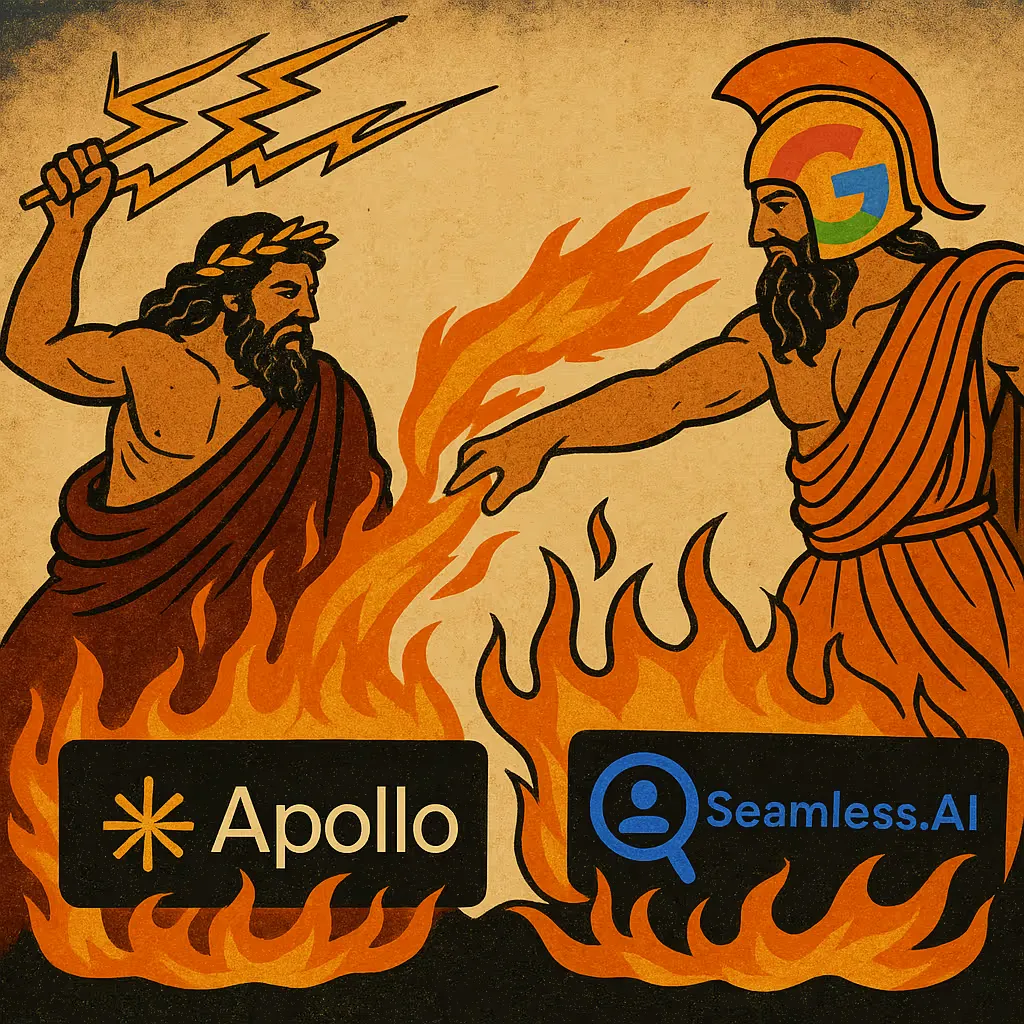
A big shift just rocked the sales tech world — and if your team relies on Chrome extensions and LinkedIn scraping tools, it’s time to reevaluate your data strategy.
In a bold move, LinkedIn blocked access to Apollo.io and Seamless.AI, and even went as far as deleting their company pages from the platform. For companies that have built their brands and user bases around harvesting LinkedIn data, this is nothing short of a seismic event.
And this isn’t just about two tools. This is a clear warning from two major tech giants — LinkedIn (Microsoft) and Google — that the Wild West era of browser-based scraping and automation is coming to a close.
LinkedIn has always had strict policies prohibiting scraping, crawling, or any unauthorized use of automated tools to extract user data. Until now, enforcement has been inconsistent. Tools like Apollo, Seamless, Lusha, and others used browser extensions to extract contact data from LinkedIn, often giving users access to personal emails, phone numbers, and job data.
Now, LinkedIn is cracking down.
They’ve blocked platform access for Apollo and Seamless, flagged user accounts associated with these tools, and wiped the company profiles clean off the platform.
Apollo’s CEO Tim Zheng released a public statement saying:
“We are actively working with LinkedIn to understand the nature of our brand page restriction and to resolve the matter as soon as possible.”
Meanwhile, sales forums on Reddit are lighting up with worried reps who are seeing their prospecting tools suddenly stop working or noticing their LinkedIn accounts being flagged.
This is no longer business as usual.
Sales teams that have built their day-to-day workflows around these tools are now stuck. The short-term impact is already being felt:
It’s not just a productivity hit — it’s a workflow crisis. SDRs and AEs who relied on these shortcuts now face longer ramp times, reduced efficiency, and a serious compliance risk to their own LinkedIn presence.
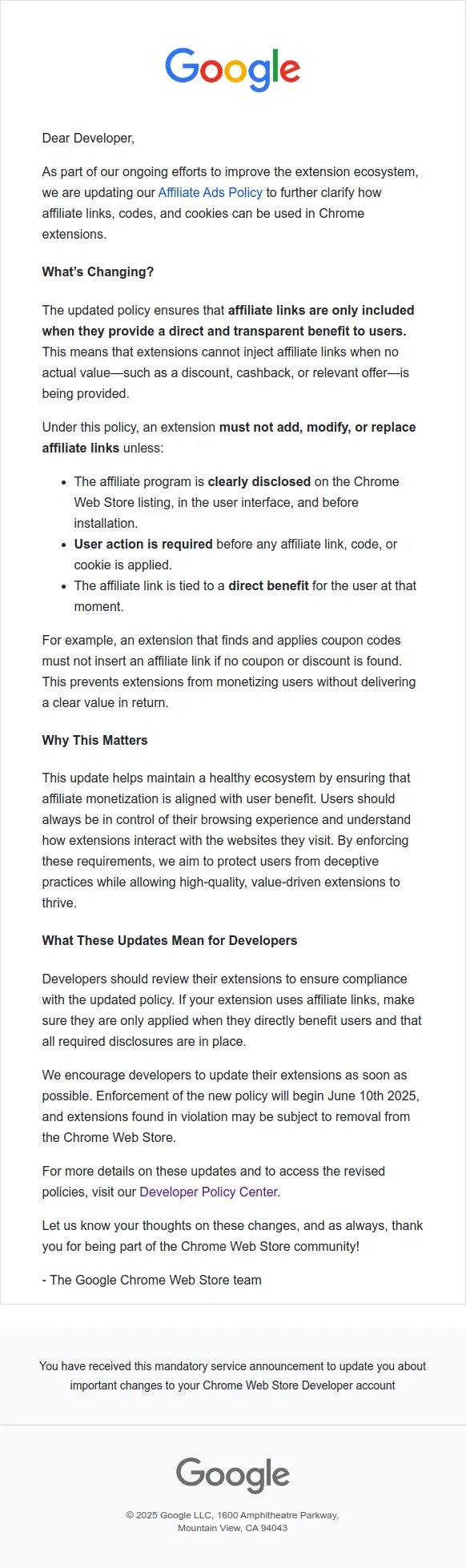
Google is tightening enforcement on Chrome Web Store policies, particularly around:
New policies emphasize explicit user actions, clear value delivery, and disclosure of all affiliate and data behaviors. Extensions that inject affiliate links or scrape data in the background without user interaction are being removed or flagged.
For leadgen tools that operate via Chrome extensions — especially those that “work quietly in the background” to extract data from web pages, LinkedIn, or email — this is a flashing red light.
Let’s be clear — this isn’t about shady, black-hat tools. This is about popular sales and data platforms that have browser extensions central to their value prop.
Here are the categories and vendors who should be concerned:
These tools commonly offer one-click enrichment, email discovery, or list-building by crawling user sessions, extracting LinkedIn profile info, or grabbing emails from pages and CRMs. Many work passively in the browser — a model now directly at odds with Google’s new enforcement posture.
If you’re in RevOps, SalesOps, or Demand Gen, here’s what this crackdown means for your team:
1. Tool Access and Extension Breakage You may wake up one morning and see a key extension removed from the Chrome store or flagged as “malicious.” Updates can be blocked. Functionality can quietly degrade without warning.
2. Privacy Compliance Risks Chrome is a frontline for GDPR, CCPA, and other privacy rules. If your reps use tools that collect or transfer data without clear disclosure or opt-in, your company may be liable — especially in regulated industries.
3. Workflow Disruption If Chrome extensions go offline or get removed, everything from SDR workflows to enrichment processes to HubSpot/Salesforce data syncs may break down. The rep-level productivity cost can be massive.
4. Organizational Blind Spots Many GTM leaders don’t even know how much of their team’s activity relies on these tools. That’s the most dangerous part. You can’t mitigate what you don’t see.
This moment is a wake-up call for RevOps, SalesOps, and Demand Gen leaders everywhere. If your tech stack relies on extensions or data pipelines that aren’t fully compliant, your reps and your data integrity are at risk.
Scraping isn’t the future of sales data. Bespoke data is.
At LeadGenius, we anticipated this shift years ago. That’s why we built a data engine that avoids scraping altogether — and focuses instead on compliant, real-time signals pulled from over 40 million websites and verified sources.
Our approach delivers:
We don’t need browser extensions or LinkedIn scraping because we’ve invested in a completely different data infrastructure — one that scales globally, adapts in real time, and keeps you off the radar of platform crackdowns.
The question isn’t “what do I replace Apollo with?”
The question is “how do I build a data strategy that won’t break tomorrow?”
If your team is rethinking how you find, engage, and expand into your best-fit accounts — we should talk.
We’ll show you how global sales leaders like Amazon, SAP, and Microsoft are scaling smarter with data strategies built for the long game — no extensions required.
Article
What is LinkedIn Sales Insights and why are they discontinuing it?
Guide
The next wave of winners won’t be defined by how much they spend on LinkedIn — but by how precisely they can reach their buyers everywhere else, with the same confidence and control.

Article
LinkedIn Sales Insights will no longer be available from December 31, 2024. What are people doing who previously used this tool to track account data & insights?

Get precise, compliant, and on‑demand contact data—tailored to your business needs.