
Article
Best AI Email Marketing Tools to Automate Email in 2024
We rank our favorite AI Email Marketing Tools, discuss how to evaluate these technologies & offer insights into leveraging AI for enhanced marketing strategies.
Lowering Email Bounce Rates: A Guide to Maximizing ROI from Email. Email bounce rates, often overlooked, impact deliverability & ROI. Hard bounces are permanent

Email bounce rate, a fundamental yet commonly overlooked factor, is the percentage of your total emails sent that cannot be delivered. Bounces can be categorized into “hard” and “soft.” Hard bounces occur when the email is permanently undeliverable, often due to invalid email addresses. On the other hand, soft bounces are temporary delivery failures caused by full mailboxes or server issues. High bounce rates negatively impact your email deliverability, ultimately influencing your marketing campaign’s effectiveness and your return on investment (ROI). Therefore, it’s crucial to understand the strategies to minimize email bounce rates. Here are twelve tried and tested techniques:
Domain authentication affirms you as the legitimate sender, making it less likely for your emails to be categorized as spam1-2. With SPF, DKIM, and DMARC settings, authenticate your domain and enhance email deliverability 3-4.
Maintain an updated and clean email list. Regularly remove invalid, non-responsive, and obsolete email addresses5. Using email verification services like ZeroBounce and NeverBounce can simplify this process6.
Segmentation allows you to deliver personalized content to your subscribers, improving engagement rates, and contributing to a better sender reputation with ISPs7.
Double opt-in ensures that your subscribers validate their email addresses before they start receiving your emails8. It not only confirms the validity of the email addresses but also the recipients’ intent, reducing bounce chances.
Erratic changes in email volumes can raise red flags for ISP spam filters9. Aim for a steady email volume and regular intervals to improve your sender reputation and minimize bounce rates.
Your sender score influences your email deliverability10. Tools like Sender Score and Google Postmaster Tools can help monitor your sender reputation, enabling you to address issues promptly if your score is low.
High-quality content isn’t only about keeping subscribers engaged. It also improves your sender reputation as ISPs monitor email engagement rates11. An engaging email is more likely to be opened, boosting your deliverability.
Identify potential bounce triggers by testing your emails before sending them to your entire list12. This could be due to issues with your email’s HTML or content that may be classified as spam.
Keep your subscriber list updated by removing non-responsive subscribers and adding new, engaged ones. This ensures that your emails are sent only to active, responsive recipients, thus reducing bounce rates.
Ensure your emails avoid spam triggers. Avoid using spam trigger words, excessive use of capital letters, exclamation marks, or maintaining an unbalanced text-to-image ratio in your emails.
Beyond adding the recipient’s name, tailoring the content to individual recipient preferences and past interactions can significantly improve open rates. Personalized emails are less likely to bounce as they are more relevant to the recipient.
Regularly analyze the reasons for email bounces to provide valuable insights. Adjusting your strategies based on this data can help to minimize bounce rates further.
With these twelve robust strategies, you can notably improve your email deliverability, enhance open rates, and increase the ROI of your email marketing efforts.
References:
Footnotes
Article
We rank our favorite AI Email Marketing Tools, discuss how to evaluate these technologies & offer insights into leveraging AI for enhanced marketing strategies.
Guide
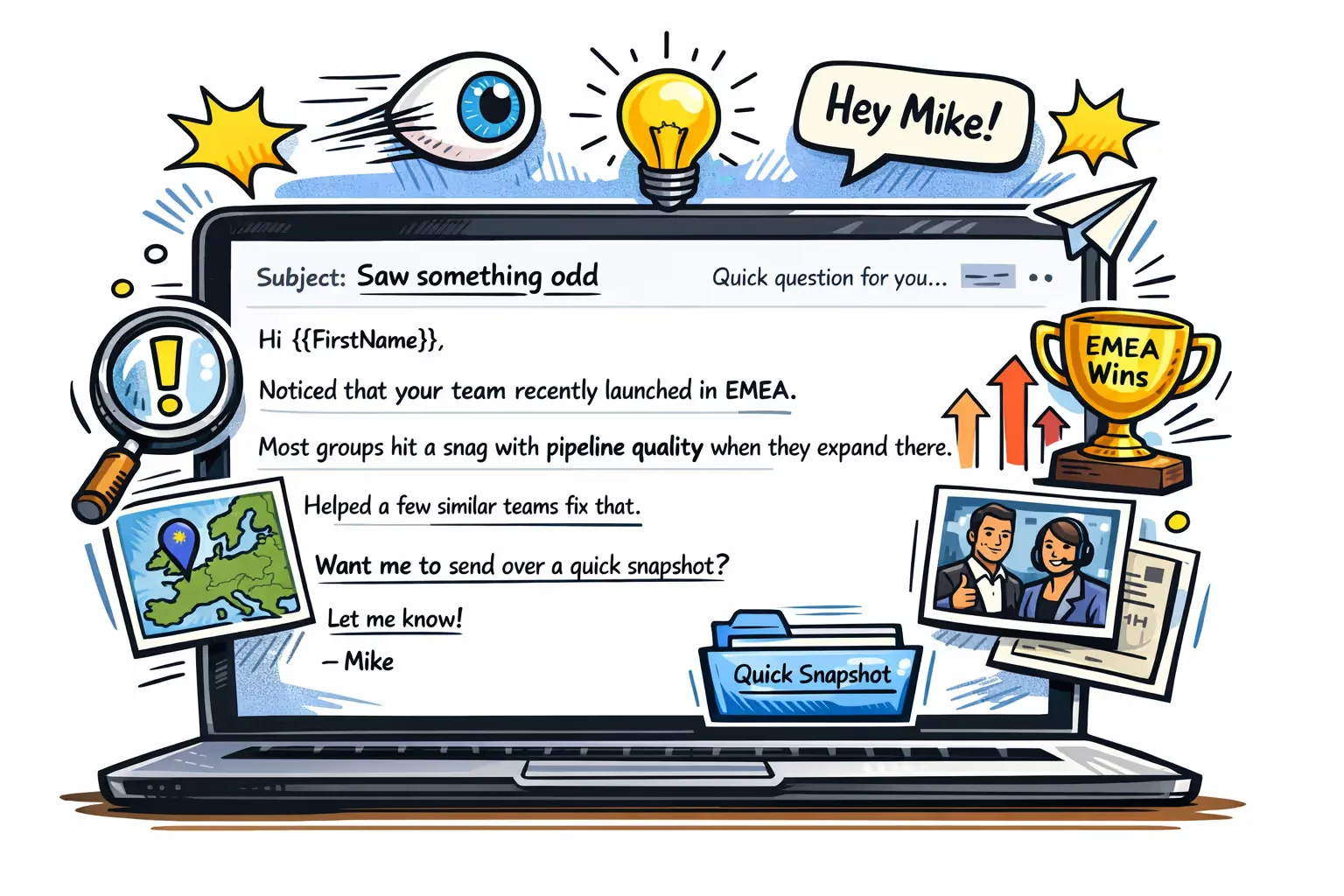
How does LeadGenius think about cold email structure and guiding rules?
Article
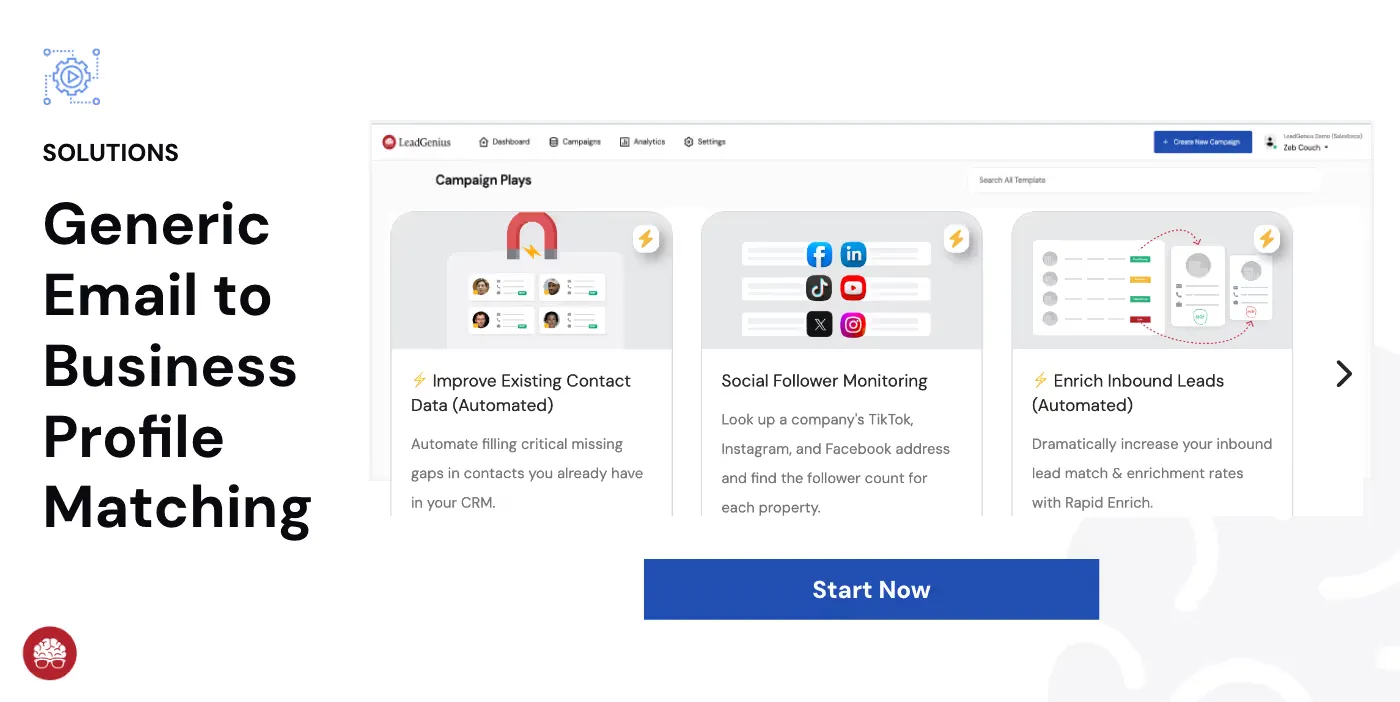
LeadGenius's entity resolution service transforms generic email addresses into valuable business profiles, enhancing data quality, reviving lost leads, and maximizing marketing and sales efforts.

Get precise, compliant, and on-demand contact data—tailored to your business needs.